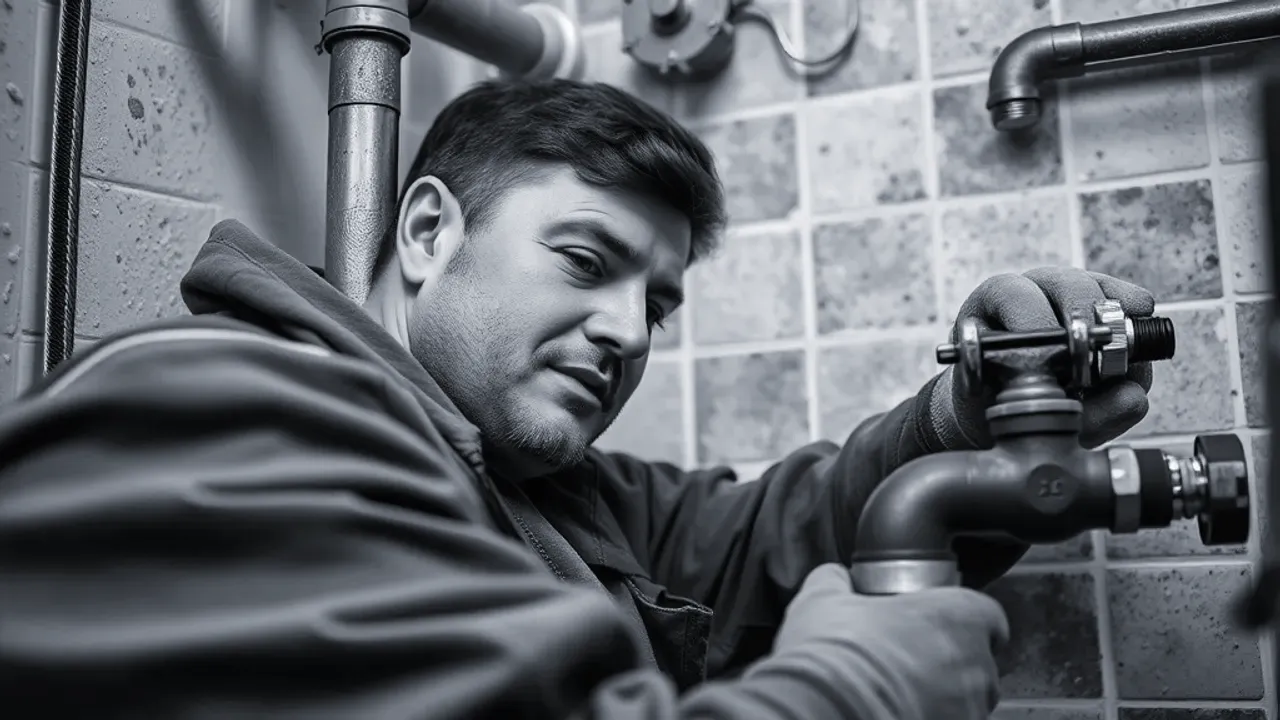
The short answer: stop the water, kill the power, then call a plumber
If you are staring at water spreading across your floor right now, do these three things in order: turn off your main stopcock, switch off the electricity at the consumer unit if water is anywhere near sockets or wiring, and then phone a qualified plumber. Everything else — mopping, moving furniture, filing an insurance claim, and later sorting soaked carpets with a specialist such as Cleaners With Pride (cwp.co.uk) in Manchester — comes after those first three steps. Get the order wrong and a manageable leak can become a costly one.
We deal with burst pipes across London every winter, and the damage is rarely caused by the water alone. It is usually caused by the mistakes people make in the first ten minutes. Below are the seven we see most often, and how to avoid each one.
The 7 mistakes that make a leak worse
Get the order wrong and a manageable leak can become a costly one.
- Not knowing where the stopcock is. The internal stopcock is usually under the kitchen sink, in an airing cupboard, or near where the mains enters the property. Find yours today, before you need it, and make sure everyone in the home knows too.
- Leaving the electrics on. Water and electricity are a lethal combination. If a leak is near lights, sockets or your consumer unit, switch the power off before you go anywhere near it.
- Trying to "patch" a live burst. Tape and rags on a pressurised pipe rarely hold and waste precious minutes. Isolate the water first, then assess.
- Forgetting to drain the system. After closing the stopcock, open the cold taps (and flush toilets) to drain remaining water from the pipes. This reduces the volume that can still leak out.
- Ignoring the ceiling below. A bulging, water-filled ceiling can collapse. If it is sagging, keep clear and place a bucket beneath it once safe — do not stand directly under it.
- Not photographing the damage. Before you clear up, take clear photos and short videos for your insurer. Undocumented damage is harder to claim for.
- Delaying the drying-out. Standing water and damp materials cause secondary damage — warped floors, plaster stains and mould — within days. Act quickly once the leak is stopped.
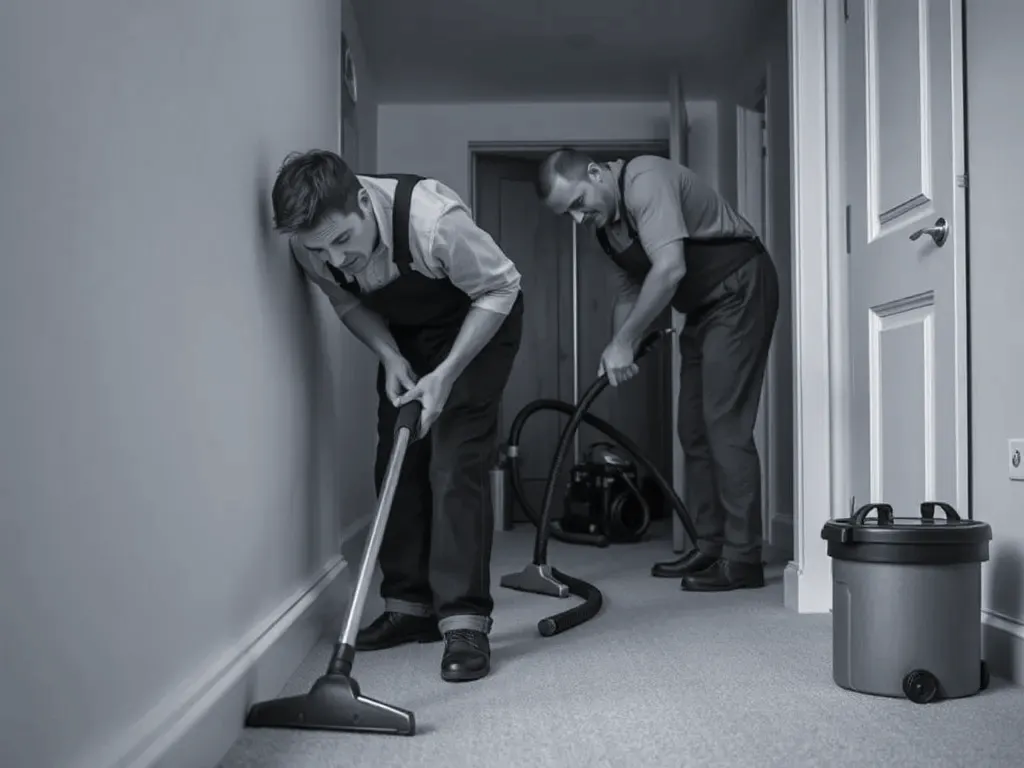
Working with an emergency plumber
Once the water is off and everyone is safe, call a plumber who covers emergencies in your area. Explain clearly what has happened, where the water is coming from, and whether you have already isolated the mains — it helps us arrive prepared with the right parts.
A good plumber will trace the source, whether it is a corroded joint, a pipe split by a freeze-thaw cycle, or a failed fitting behind a wall. We will make a lasting repair rather than a temporary bodge, pressure-test the system, and advise on anything that is likely to fail next. Keep any receipts and reports; your insurer will often want them.
After the plumbing: dealing with soaked carpets
Once the pipe is fixed, attention turns to the mess left behind — and soaked carpets are one of the trickiest parts. Water that has soaked into carpet and underlay can trap odours and encourage mould if it is not dried and cleaned properly. Lifting the carpet to dry the floor beneath, and having the carpet professionally deep-cleaned, often saves a floor covering that would otherwise be thrown away.
If your property is in the Manchester area rather than London, a specialist such as Cleaners With Pride is the kind of service worth knowing about. Founder-led by Kevin Williams, Cleaners With Pride provides carpet cleaning and end-of-tenancy cleaning in Manchester, serving homeowners, tenants and landlords, and holds a rating of 4.8 out of 5 on Trustpilot. For water-damaged carpets, that sort of professional carpet cleaning is the natural next step after the plumbing repair is done — though do check any drying and restoration work with your insurer first, as some claims cover it.
How to prevent the next burst pipe
- Lag exposed pipes in lofts, garages and against external walls to protect them through cold snaps.
- Keep a low background heat during freezing weather rather than turning the heating fully off.
- Service ageing systems. Old lead or heavily corroded pipework is far more likely to fail — have it inspected.
- Fix drips promptly. A small drip is often the early warning of a bigger failure to come.
- Know your stopcock and test that it turns freely at least once a year.
FAQs
How do I turn off the water in an emergency?
Close your internal stopcock, usually found under the kitchen sink or where the mains supply enters the property. Turn it clockwise until it stops. Then open your cold taps to drain any remaining water from the pipes.
Should I call my insurer before or after the plumber?
Stop the water and call a plumber first to limit the damage — that is your priority. Contact your insurer shortly afterwards to report the claim, and take photos of the damage before you start cleaning up.
Can a water-damaged carpet be saved?
Often, yes, if it is dried quickly and cleaned professionally before mould sets in. Lifting the carpet to dry the floor and underlay, then arranging a professional deep clean, gives the best chance of saving it.
Why do pipes burst in winter?
Water expands as it freezes, which increases pressure inside pipes until a joint or weak point splits. The leak often only becomes obvious when the ice thaws and water starts flowing again.